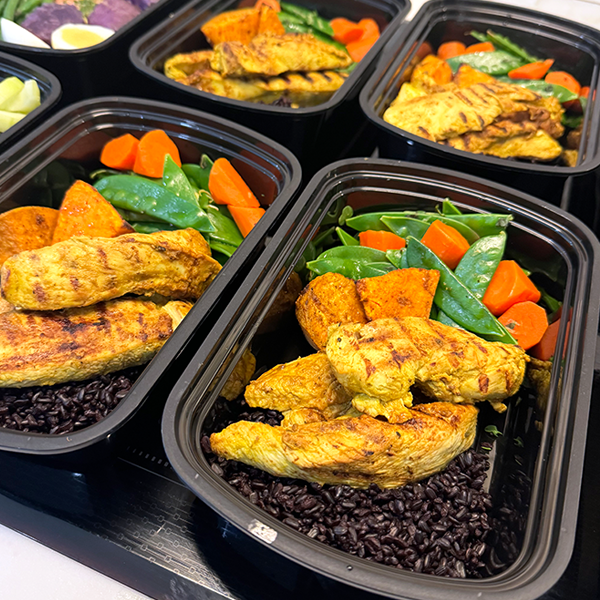
Life as a Private Chef in South Florida
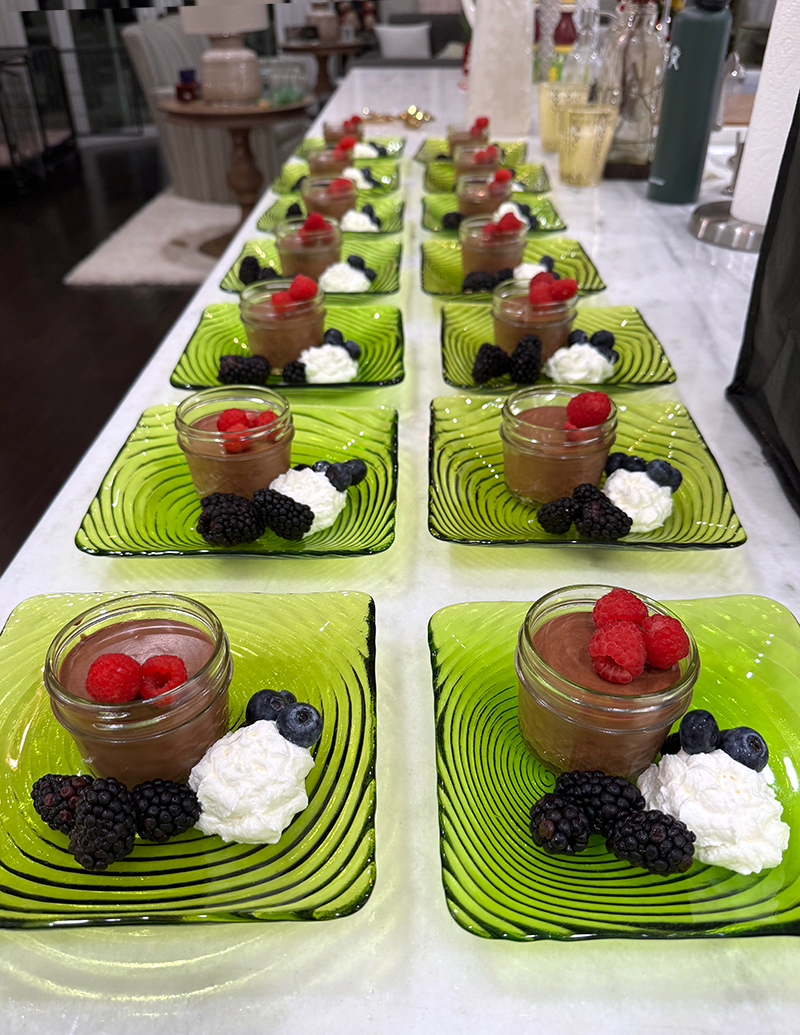
Life as a Private Chef in South Florida
When people think of South Florida, images of sun-drenched beaches, luxury yachts, and a vibrant cultural scene often come to mind. However, beneath the surface of this tropical paradise lies a dynamic culinary landscape—one that offers endless opportunities for unforgettable dining experiences. For those considering hiring a private chef, understanding the value and benefits of this service can open the door to personalized, stress-free meals tailored to your lifestyle.
The Appeal of South Florida’s Culinary Scene
South Florida is a melting pot of cultures, and its culinary diversity reflects that. From Cuban and Haitian influences to Mediterranean and Asian fusion, the flavors here are as eclectic as the people who call this region home. A private chef brings this vibrant culinary scene directly to your table, offering dishes inspired by the world and tailored to your specific tastes.
The region’s tropical climate also means that fresh, seasonal ingredients are available year-round. Local farmers’ markets and specialty stores are brimming with everything from exotic fruits like lychee and passionfruit to fresh seafood like snapper and spiny lobster. By hiring a private chef, you gain access to their expertise in sourcing and preparing these high-quality ingredients to create meals that are as fresh as they are flavorful.
A Day in the Life of Your Private Chef
When you hire a private chef, you’re enlisting a professional who will handle every aspect of your dining experience. Their day often begins with sourcing ingredients ensuring that every component of your meal is fresh and top-notch. Whether you’re planning meals for the week or an intimate dinner for your family and friends, your chef meticulously plans menus to suit your preferences and dietary needs.
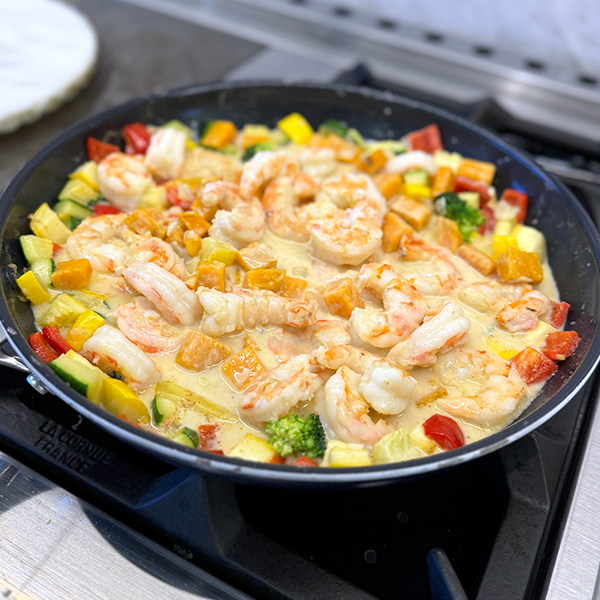
From meal preparation to cleanup, private chefs provide a seamless experience. Each dish is crafted in the privacy of your home kitchen, allowing for complete customization. Whether you follow a specific diet or have a favorite dish, your chef’s goal is to create meals that align perfectly with your tastes and lifestyle.
The Benefits of Hiring a Private Chef
Hiring a private chef goes beyond simply outsourcing cooking; it’s about enhancing your quality of life. Here are some of the key benefits:
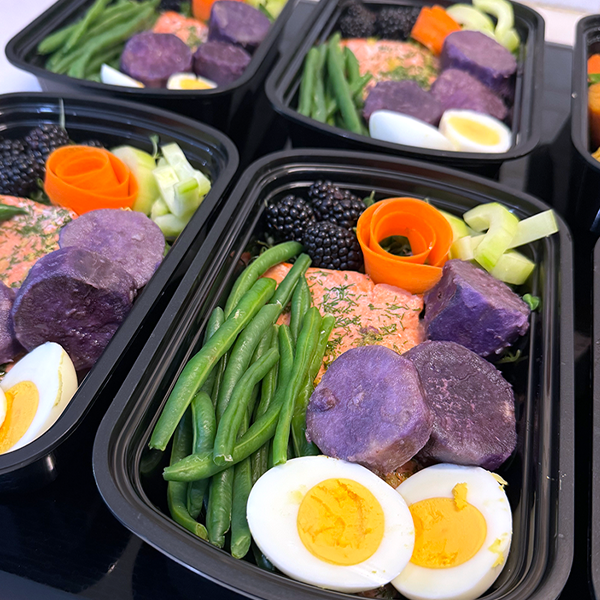
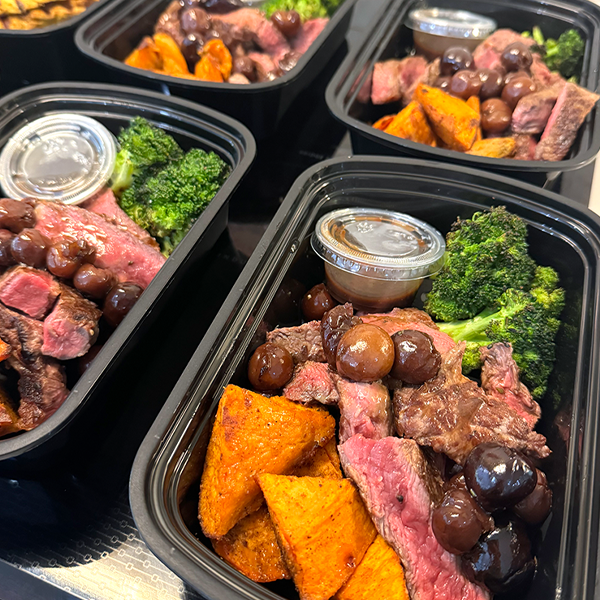
- Personalized Menus: Every meal is tailored to your preferences, dietary restrictions, and nutritional goals. Whether you’re following a plant-based diet, require gluten-free meals, or want to explore new cuisines, your private chef ensures that your needs are met.
- Convenience: Imagine eliminating the stress of meal planning, grocery shopping, and cooking. Your chef handles all of this, allowing you to focus on enjoying time with your family or guests.
- Quality and Freshness: Private chefs source the freshest ingredients, often working with local suppliers to ensure that your meals are of the highest quality.
- Customized Experiences: From casual family dinners to extravagant parties, a private chef can adapt to any occasion, creating a dining experience that’s uniquely yours.
- Health and Wellness: If you’re striving to eat healthier, a private chef can craft nutritious meals that don’t compromise on flavor, helping you stay on track with your wellness goals.
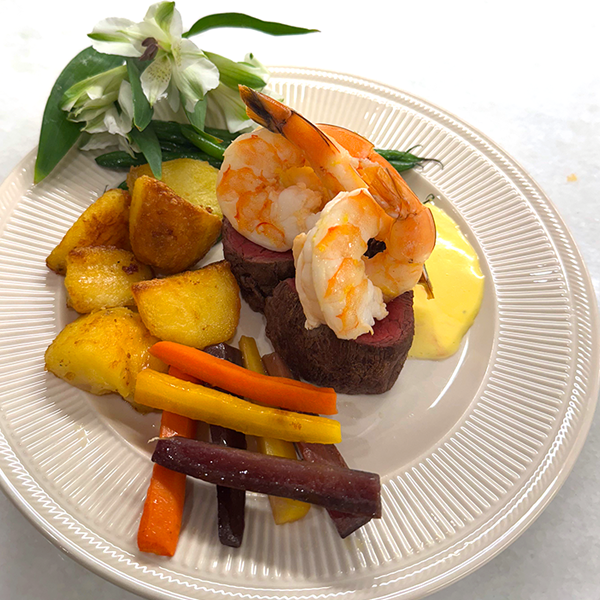
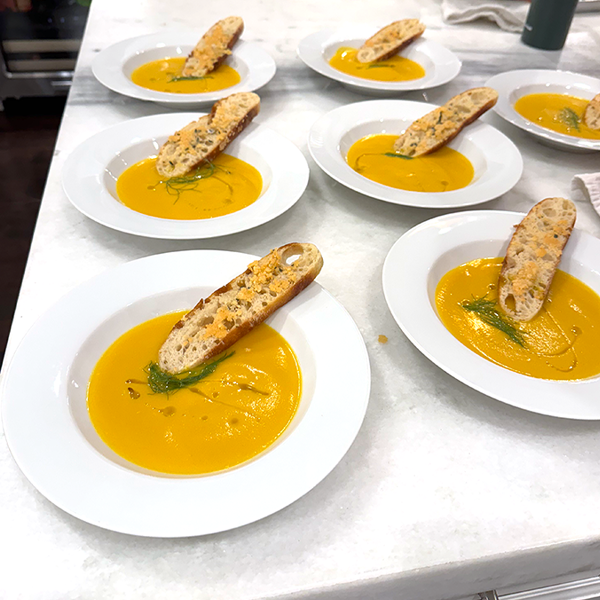

How a Private Chef Enhances Special Occasions
Special occasions call for unforgettable experiences, and a private chef can make any celebration truly extraordinary. Whether it’s a romantic anniversary dinner, a birthday party, or a holiday feast, your chef crafts a menu that complements the occasion. By handling every detail, they allow you to focus on what matters most—spending quality time with your loved ones.
Why Choose a Private Chef in South Florida?
South Florida’s vibrant culinary scene and abundance of fresh ingredients make it the perfect setting for a private chef’s services. Whether you’re a busy professional, a family juggling hectic schedules, or someone who simply loves gourmet food, a private chef brings the best directly to your table.
For many, the idea of hiring a private chef might seem like an indulgence, but it’s an investment in convenience, health, and memorable experiences.
Looking Ahead
The demand for private chefs in South Florida is growing, driven by a desire for personalized dining experiences and healthy eating. As people continue to prioritize convenience and quality, the role of the private chef will only become more significant. Whether you’re considering hiring a chef for a single event or ongoing meal prep, the possibilities are endless.
For me, being a private chef in South Florida is more than a job—it’s a passion. Every dish I create is an opportunity to bring joy, connection, and unforgettable flavors to the table. If you’ve ever thought about hiring a private chef, now is the perfect time to explore the benefits of this unique and personalized service.
Italy
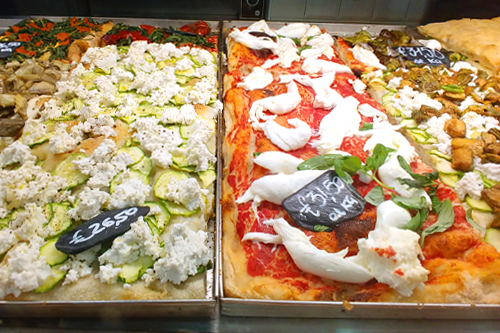
 “There are two laws in the universe: the law of gravity, and EVERYONE likes Italian food.” Neil Simon. What is there to say about Italy that hasn’t been said before? Italy is a beautiful country, with friendly people, rich cultural influences, and of course, it’s true above all – the amazing food. I recently had the opportunity to experience this Foodie Paradise and what I learned was amazing. The first may be a shocker, so please sit down. What we consider in America to be Italian food is not really Italian cuisine at all, it is really influences of Italian mixed with some of our culture here in the states. I learned many things about the history of the beautiful country of Italy, its inhabitants and the foods from its different regions, while visiting. It was amazing to experience how historical influences have impacted the foods in Italy, from the growing of the food to the preparation.
I’d like to share with you the many things I learned while visiting, that I think will inspire and delight you, the way they inspired and delighted me. One of the truths I heard and experienced was good Italian restaurants do not put salt and pepper shakers or parmesan cheese on their tables. The act of placing those on the table is generally considered a sign of poor quality food. The chef believes he has chosen the best combinations of ingredients and if you taint them by adding something to the food, that means he didn’t do a good job. So, only poor quality restaurants in Italy will allow you to do this.
Another concept I was exposed to was using minimal ingredients when making a dish. Many of their dishes in Italy used as little as three main ingredients in their preparation so the layers of flavor can come through. As you may know, olive oil is used widely in Italy as a cooking medium and very rarely do they use butter when cooking savory dishes. Another interesting fact is Italians don’t infuse their olive oils. They don’t put garlic, rosemary, or other herbs and spices in a bottle or jar to soak in that flavor. They allow the soil, wind and rain to “infuse” the flavor. While over there I was exposed to many varieties of olive oils. I tasted olive oils that were fruity, with a slightly sweet taste, while others were bitter and spicy. I could detect hints of grassiness and peppery notes at times. It fascinated me how Italians allow nature to infuse their oils naturally.
 Here’s a side tip I can pass along to you to best preserve your oil or olive oil. Don’t keep it in your pantry for more than 6 months or it will most likely be rancid and then should not be used it for cooking. Also remember to keep oils away from heat and sunlight. Overall, I walked away thinking to myself maybe we can take a page out of the Italians book of cooking. We can use fresh, natural ingredients and few of them, use high quality olive oil, store it appropriately, and keep things simple and flavorful. Food is meant to be savored and enjoyed! Don’t you agree? Bon Appetit my friends!

The Picky Eater
How come some people love avocados and others despise them? Why do some people enjoy beets and others cringe at the thought? I believe that pickiness with food is based on our subconscious memory of our initial interaction with that food. As a personal chef, I hear many stories from my clients about their past experiences of mushy green beans or overcooked meats and fish. I’m sure all of us can recall at some time being served food at a young age and told to finish what was on our plates. Maybe we were full, maybe the taste or feel of the food wasn’t to our liking, or maybe these nutrient dense foods just looked different, strange, and not appealing. Maybe we were enticed with dessert, or the ‘what about the starving kids in Africa’ speech. Either way, it may have created a judgement about the specific food or eating overall. These incidents may have been the starting of the picky eater label.
Another possibility for the cause of picky eating may be a family member or a friend who would only eat “strange foods” (ethnic, less desired cuts, out of a can, etc.) and based on the way the food smelled or looked we never wanted to try it. As a personal chef, I talk a lot about food with my clients. These are some of the reasons I hear from them about why, even as adults, certain foods are still avoided. However, is the past a good reason to avoid healthy, nutrient dense foods now? Foods like broccoli, carrot, pumpkin, chard, arugula, collard greens, or kale. Are we able to conceive that vegetables can be cooked properly so they can taste really good? We know personally that eating arugula, beets, or kale, very nutrient dense foods prepared without seasoning or plain, or overcooked/ undercooked is not very enjoyable. As a personal chef I continue to strive to try new foods and take underappreciated nutrient dense foods and prepare them in a way you can enjoy. Maybe I’ll puree them, or roast them to bring out their natural sweetness or even incorporate them in with other foods. Food is my passion, food is my profession; I am a personal chef. It’s my goal as a chef to create delicious meals with nutrient dense foods and help picky eaters try new foods. I believe that preparing nutrient dense foods correctly will help our picky eater friends overcome their fear of avocados, beets, salmon, kale, spinach, sprouts, broccoli and any other veggie. There are so many possibilities with food. My mission is to help us all love and appreciate food, one meal at a time.

Avoiding Sugar for a Healthy Lifestyle
We can all agree that to live a healthy lifestyle avoiding sugar when cooking is crucial. Especially since sweet tasting foods are just delicious to eat. I mean, who doesn’t like a great tasting sweet dessert for a special occasion or a “just because”. Even looking at the presentation of a dessert with a swirl of chocolate or a raspberry sauce design, or a cake with beautiful artwork is enough to get the taste buds salivating. It was our ancient ancestor’s desire for sweetness that helped them to survive. How else could they determine if a plant, leaf, or fruit from a tree was edible? If it was bitter, sour, tingling, or tart there was less likely hood they would consume it. On the other hand, if it was sweet, succulent or mouthwatering, it was consumed and sought after. So in some respects, the Sugar in foods has helped our species to endure and thrive.
Fast forward from the time of foraging for food in the forests to foraging in aisles of the grocery store. If you’re looking to live a healthy lifestyle, it’s important to know what goes in your food. Reading the ingredients on packaged foods has become more mainstream, but often times reading the labels can require a google search or two if you really want to know what you are consuming. One of the ingredients that you will find more and more of, especially in so called healthy foods, is Sugar. Now it’s important to know, I am not talking about the naturally occurring Sugars already in the raw ingredients but the added Sugar that’s added into the final product. There are over 40 different varieties of simple refined Sugars being added into our foods. For example, rice Sugar, high fructose Sugar, barley malt, cane juice crystals, and invert Sugar are just a few of the 40 types of simple Sugars companies use in processing our foods.
I am not here to bash Sugar, sometimes I use Sugar in some of my recipes when cooking. What concerns me is the trend I have been seeing with Sugar being added into the foods we regularly consume. It concerns me because years ago we never added it! Why start now? Is it really necessary? The largest culprits of this new trend are pasta sauces, nut butters, and bread. I have noticed the less expensive brands tend to add Sugar, and a lot of it! You may think you’re making healthy choices but watch out, smoothies, yogurts, and flavored instant oatmeal often contain huge amounts of added Sugars. Salad dressings, ‘healthy’ energy bars, peanut or other nut butters, soups, granola, even frozen fruit (YES frozen fruit) are also big packers of Sugar. If your focus is to eat healthy and take good care of yourself, knowing this may help you make aware, conscious choices that support your lifestyle. I am here to help you with that.
Feel free to contact me to see how I can support you further – whether it’s cooking in your home, catering your next function, or teaching a cooking class. I look forward to connecting with you soon.
Rock Your Life!
For the past several months I’ve been on the run helping clients with their goals and meal preparation. Which in return has created more success in my business, but I’ve been neglecting myself when it comes to exercise and nutrition. Now don’t get me wrong, I’m still watching what I eat and making occasional time to exercise, but since I’ve put more time into my business and less consistent time at the gym, those few extra pounds have made their way on. You know the kind that make your jeans a bit tighter and shirts snug. (At first I blamed my new dryer.) Tis the season to make New Year’s Resolutions, and I have a few to share, along with the plan of how I am achieving them.
Just because I’m a bit heavier doesn’t mean I feel guilty. Yes I’ll admit, there were times when I put on my jeans there were some thoughts of feeling bad or blame. But when I got real with myself I discovered that it was I that made the decision to avoid the gym, so therefore putting on some weight was a side effect for a slower metabolism. Also, guilt, or feeling shame, or being upset with oneself is not going to solve the jeans being tight. What’s going to help is being consistent with exercise and making a conscious choice to eat certain foods in moderation, or choose to not eat them at all. You know what I mean. For example, those delicious chocolate covered pretzels; I swear those things eat themselves. (Viscous pretzel eating pretzel world out there.) Seriously I knew after the third pretzel that the sensation from the food was already gone, but I continued to eat another 5-6 of them. I was not being conscious when it came to eating and realized later I was on auto-pilot.
So what’s the plan for a healthier, lighter and more fitting New Year? Three commitments. One, I decide when I catch myself being judgmental I will be aware of my self judgement, then take a breath and say something positive about myself. This takes practice, but being aware of that critical talk and in turn saying something positive about yourself is a great tool to reduce self-sabotaging talk. Number two, I am committed to some form of exercise, a minimum of three times a week for 30-40 minutes. Then increase from there. Keep it simple Santa. Of course if thoughts pop into my mind about, being too busy or, not in the mood, I can revert back to tool number one. Then number three, I am being more conscious when I eat. I am more aware of the types of food I eat and what feels best for my body. As simple as these tools and tips are I am confident they will be a great stepping stone to get back on the track of healthy living. You can even apply these tools into other areas of life. My belief is that as long as I am being present to my actions, to what is happening inside me, and around me, any steps I take will get me closer to my goals. Wish you all the best for 2017! Happy New Year!
Inspired By The World Around Us
Motivated by hunger, or in preparation of future hunger, into the kitchen we go sifting through the fridge and pantry looking for ingredients and ideas to create a meal or snack. Hurrying to find ingredients, bombarded by distractions, these raw ingredients must now be transformed into something delicious, or at least edible. So where do ideas come from? The simple answer is, they come from everywhere. More specifically they come from our life experiences and knowing what ingredients pair well together (the experience of our taste buds) and knowing a few “time saving” methods and techniques. That is how I prepare recipes and menus, even long before I was a chef. Look for simple ingredients and if there are cooking techniques or something you are unfamiliar with, look to increase that knowledge, but maybe not in the heat of the moment when you’re pressed to put food on the table.
Here’s some helpful ideas for meal planning:
1. Have frozen veggies and fruit available in the freezer. Make sure to rotate stock and use first in items first, so as to avoid freezer burn.
2. Decide in advance which days you plan to cook at home. This can be beneficial in planning and you’ll be in a routine.
3. If using a recipe make sure you read all steps in advance so you know what’s coming.
4. Know which part of your meal will take the longest and prepare that first. For example, baking a chicken will take longer than cooking the pasta.
5. Look for ways to save time. For example, fill your pot with hot water instead of cold water when boiling water. It takes longer to boil cold water than already hot water. Also, another idea to save time is to have all your ingredients chopped, prepared the way needed before you start cooking, because that way the ‘flow’ of cooking won’t be interrupted.

Zest Kitchenz Open For Business
Chef
Michael Schwartz
Serving Broward and Palm Beach Counties Boynton Beach, FL (561) 371-5625